

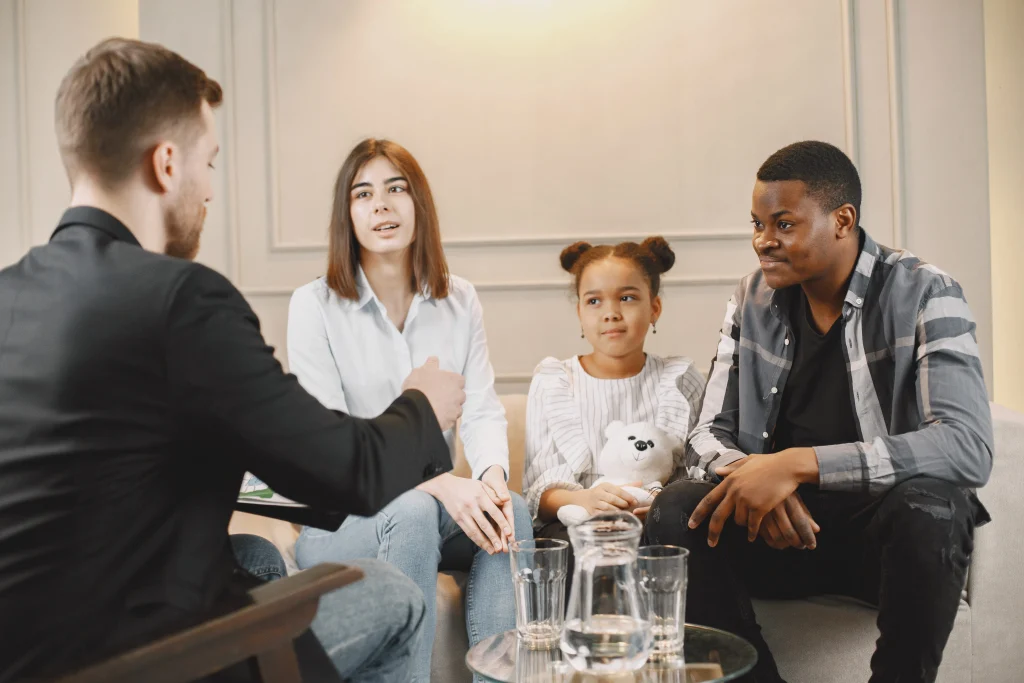
Does your child no longer want to go to school, complain about repeated teasing, or is he or she being sidelined? School harassment It affects many students, and parents often feel helpless. In Geneva, as elsewhere, there are solutions. School mediation is one of them, provided that it is used at the right time.
Recognizing school harassment
Harassment is when a student experiences verbal, physical, or psychological violence. repeatedly, From one or more classmates, in a relationship of domination. The signs that should alert parents:
- refusal to go to school, stomach or head aches in the morning;
- sudden drop in results;
- Damaged or lost belongings, unusual requests for money;
- isolation, sadness, irritability;
- anxious use of the phone or social networks (cyberbullying).
What should parents do?
1. Listen without dramatizing
Let your child tell the story, without interrupting them or promising to keep it secret. Note down the facts: dates, places, people, messages. These will be useful for the rest of the story.
2. Inform the school
Make an appointment with the teacher or the management. The school has the responsibility to act and often has internal resources (school infirmary, psychologist, educators). Ask what measures will be taken and when you will be informed.
3. Protect and support the child
Value it, maintain its activities and friendships outside of school. If the distress is significant, follow-up by a healthcare professional is recommended.
When is school mediation useful?
Mediation is not the first response to serious harassment: in this case, the priority is to protect the victim and stop the acts. However, it is very useful:
- for one conflict between students which has not yet taken the form of harassment;
- to restore dialogue between parents and school when the relationship became strained;
- after the takeover, for Rebuilding a classist climate calmed down.
The mediator, who is external to the institution, receives each person separately and then organizes an exchange where each point of view can be expressed. The goal is not to identify a culprit, but to find concrete commitments that everyone can keep.
How does a school mediation process work?
- One-on-one interviews with the families and, if necessary, with the teachers;
- Joint session adapted to the age of the children;
- Written agreement Simple, with commitments and a follow-up point a few weeks later.
Our team works in Geneva with families and institutions. Discover our service School mediation.
And the teenagers?
In adolescence, conflicts often move home: the bullied child may withdraw, refuse to talk about it, and the tension mounts with the parents. parent-adolescent mediation It can then help to reopen the dialogue.
Frequently asked questions
Should I file a complaint in case of school harassment?
When the facts are serious (violence, threats, dissemination of images), a complaint may be considered. First, talk to the school and, if necessary, with a lawyer.
Can mediation take place outside of school?
Yes. Mediation between families can take place in our premises, in a neutral and confidential setting.
To go further: check out our page School mediation, We, our Family mediation in Geneva and our advice for manage a family conflict.